
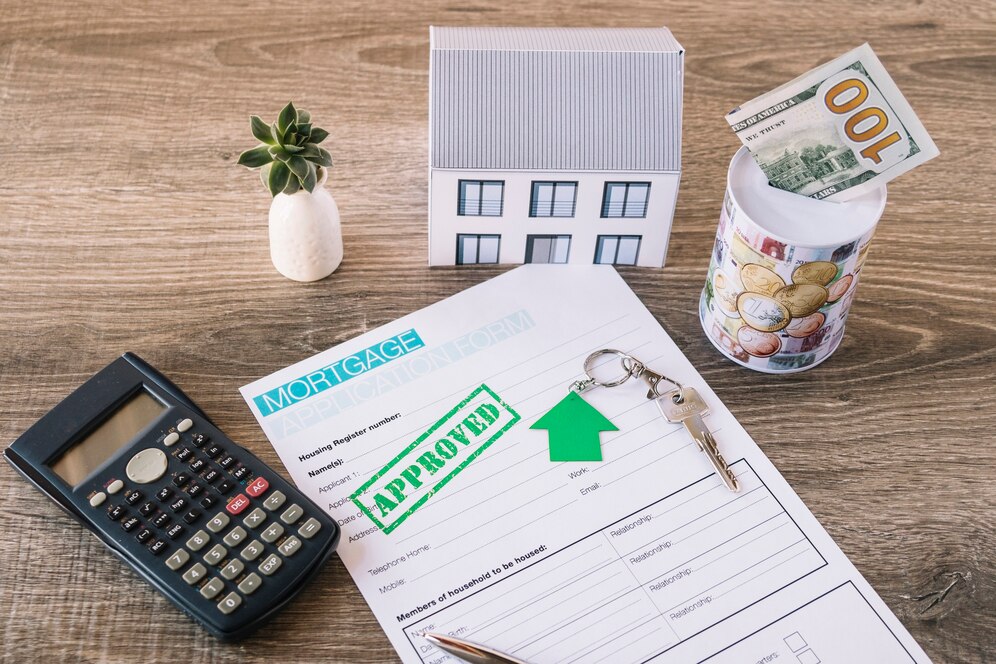
Introduction to Mortgage Audits
Welcome to the world of mortgage audits, where the power of scrutiny meets the pursuit of borrower satisfaction. In this blog post, we’ll delve into how mortgage audits play a vital role in ensuring transparency, accuracy, and ultimately, happiness for borrowers. Get ready to uncover the impact of these audits on your home loan journey!
Understanding the Purpose of Mortgage Audits
Mortgage audits serve a crucial purpose in the lending industry by ensuring that all aspects of a borrower’s loan are accurately documented and in compliance with regulations. These audits involve a detailed review of mortgage files to identify any errors, discrepancies, or potential issues that could impact the borrower’s financial situation.
By conducting thorough mortgage audits, lenders can verify the accuracy of loan terms, interest rates, payment schedules, and other critical details. This process helps to protect borrowers from fraud, predatory lending practices, and mistakes that could lead to financial harm down the line.
In addition to protecting borrowers’ interests, mortgage audits also play a role in maintaining the integrity of the overall lending system. By identifying and addressing any irregularities or non-compliance issues early on, lenders can ensure transparency and accountability throughout the loan process.
Mortgage audits also provide a way for lenders to assess and improve their own processes and procedures. By identifying potential errors or inefficiencies, lenders can make necessary adjustments to enhance the overall borrower experience and better manage risk.
Overall, mortgage audits are an essential tool in promoting fair and responsible lending practices, protecting borrowers’ rights, and maintaining the stability of the lending industry.
Understanding the purpose of mortgage audits is essential for both lenders and borrowers alike. It underscores the importance of diligence and oversight in safeguarding borrowers’ rights and promoting fair lending practices across the board.
Benefits of Mortgage Audits for Borrowers
Mortgage audits offer significant benefits for borrowers by ensuring the accuracy and legality of their loan documents. By conducting a thorough audit, borrowers can uncover any errors or discrepancies in their mortgage agreements that may have gone unnoticed. This process helps to protect borrowers from potential fraud or predatory lending practices.
Moreover, mortgage audits can help borrowers identify opportunities to reduce their interest rates or adjust repayment terms based on the findings of the audit. This could potentially result in substantial cost savings over the life of the loan. Additionally, by proactively auditing their mortgages, borrowers can gain peace of mind knowing that they are fully informed about the details of their financial obligations.
Leveraging mortgage audits as a tool for transparency and accountability can empower borrowers to make more informed decisions regarding their home financing options.
Common Findings from Mortgage Audits
Mortgage audits often uncover common findings that shed light on the state of borrowers’ financial affairs. One prevalent discovery is errors in loan documents, such as inaccuracies in interest rates or payment schedules. These mistakes can have a significant impact on the overall cost of the loan for the borrower.
Another frequent occurrence during mortgage audits is identifying instances of predatory lending practices. This unethical behavior can result in borrowers being taken advantage of through excessive fees or misleading terms. By uncovering these practices, audits help protect borrowers from financial harm.
Additionally, mortgage audits often reveal discrepancies in escrow accounts, where funds may be mismanaged or improperly allocated. Such issues can lead to unexpected expenses for borrowers and create unnecessary financial strain.
Furthermore, audits commonly highlight inconsistencies in credit reporting, which can negatively affect borrowers’ credit scores and future borrowing opportunities. Identifying and rectifying these errors is crucial for maintaining borrower trust and satisfaction throughout the loan process.
How Mortgage Audits Improve Borrower Satisfaction
Mortgage audits play a crucial role in improving borrower satisfaction by ensuring transparency and accuracy throughout the loan process. By conducting thorough audits, lenders can identify any errors or discrepancies in the mortgage documents, leading to increased trust and confidence from borrowers.
When borrowers see that their lender is proactive in verifying the terms of their loan, it instills a sense of security and reliability in the overall transaction. This level of attention to detail demonstrates a commitment to excellence and customer service.
Moreover, mortgage audits help prevent potential issues down the line by catching mistakes early on. This proactive approach can save both parties time and frustration by addressing any concerns promptly.
Implementing mortgage audits not only benefits borrowers by providing peace of mind but also contributes to a more efficient and transparent lending process for all involved parties.
Potential Challenges and Solutions in Implementing Mortgage Audits
Implementing mortgage audits can bring about its own set of challenges. One common obstacle is the complexity and volume of data involved in auditing mortgages. Sorting through extensive financial records and documentation can be time-consuming and overwhelming for lenders. Additionally, ensuring compliance with ever-changing regulatory requirements adds another layer of difficulty to the audit process.
Another challenge is the need for specialized expertise in conducting thorough mortgage audits. Not everyone possesses the knowledge and skills required to analyze complex financial data accurately. This highlights the importance of having trained professionals or utilizing software solutions specifically designed for mortgage auditing.
Moreover, resistance to change within organizations can hinder the successful implementation of mortgage audits. Some stakeholders may be reluctant to adopt new processes or technologies, leading to delays in improving borrower satisfaction through audit findings.
To address these challenges, investing in training programs for staff members involved in mortgage audits can enhance their capabilities and efficiency. Utilizing advanced technology such as automation tools can streamline the audit process and minimize errors.
Overcoming these obstacles requires a proactive approach that prioritizes continuous improvement and adaptation within lending institutions striving to optimize borrower satisfaction through effective mortgage audits.
Conclusion: The Importance of Prioritizing Borrower Satisfaction Through Mortgage Audits
Mortgage audits play a crucial role in ensuring borrowers’ satisfaction throughout the loan process. By conducting thorough reviews of mortgage files, lenders can identify and rectify any errors or discrepancies that may impact borrowers negatively.
Prioritizing borrower satisfaction through mortgage audits not only helps to build trust between lenders and borrowers but also ensures compliance with regulations and industry standards. This leads to smoother transactions, improved customer experiences, and enhanced overall satisfaction for all parties involved.
It is essential for lenders to recognize the significance of implementing mortgage audits as part of their standard practices. By doing so, they demonstrate their commitment to transparency, accuracy, and borrower-centric services. Embracing mortgage audits as a tool for improving processes and enhancing borrower satisfaction can set lenders apart in a competitive market while fostering long-term relationships with clients.
Prioritizing borrower satisfaction through mortgage audits is not just good practice—it’s a strategic approach that benefits both borrowers and lenders alike.